Death and dying are as much a part of our existence as life and birth. Yet conversations about death and dying often still feel difficult to begin – even within clinical professions and environments where caring for people approaching the end of life may be part of everyday practice.
So, who begins the kōrero? Who decides when starting a discussion around death and dying is more important than gently dancing around the topic? When should it be raised, how and where? What role can healthcare professionals play in creating a safe and supportive space to start the conversation?
For some people, the conversation may begin with their GP or clinical care team. For others, it might happen around the dinner table with whānau, during advance care planning, or after an unexpected change in health. What matters is that an opportunity to begin the kōrero is not missed simply because the subject feels uncomfortable or frightening.
We’re meticulous with birth planning – wouldn’t death preparations benefit from the same level of forethought?
We openly discuss birth plans with friends, whānau and healthcare professionals, often months before an expected due date. We plan meticulously, considering where someone might give birth, what will help them feel safe and relaxed, who they want beside them, and what support and clinical interventions they would prefer.
Yet when it comes to conversations about death and dying, we are often much less receptive and, at times, even cryptic – dancing around words and intentions. People often delay them until death is no longer a future ‘possibility’ but rather an approaching reality, sometimes missing the opportunity to kōrero altogether.
Initiating end-of-life conversations earlier gives people time to consider what matters to them before sudden deterioration or serious changes in health create pressure or urgency. Breaking through the avoidance allows people the opportunity to consider what matters, what good end-of-life care looks like and who should be involved in decision-making.
So, from a clinical perspective, initiating these conversations early can support holistic, person-centred care, creating the opportunity to discuss preferences with a GP or clinical care team, while also helping individuals, their clinicians and whānau better understand what support matters most to them.
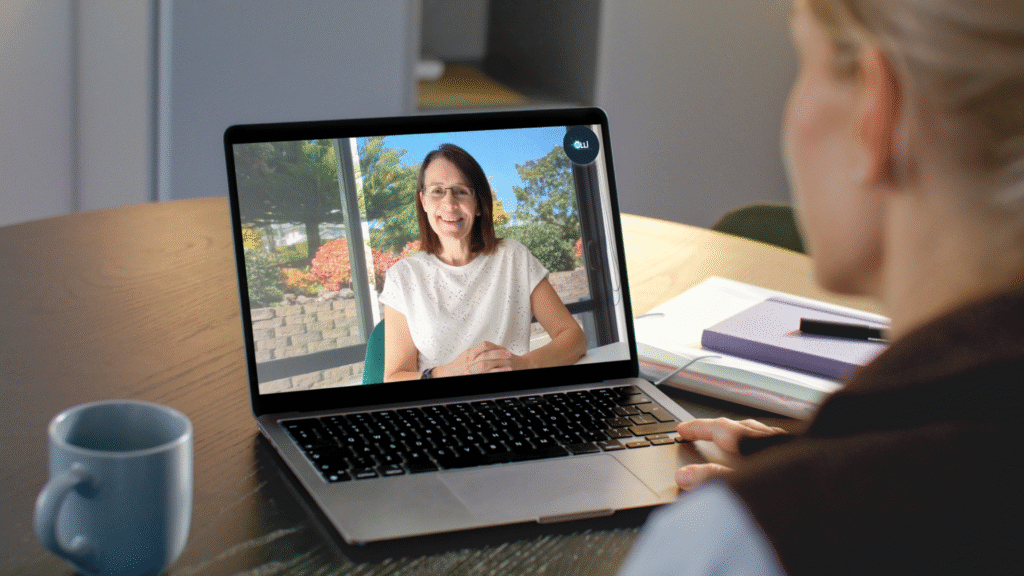
OLLI Webinar : Conversations That Matter
Explore our Conversations That Matter Webinar, presented by Susan Fryer, Nurse Practitioner at Tōtara Hospice and Senior Clinical Advisor for OLLI – gain practical guidance and explore effective ways to approach important end-of-life discussions.